

How to Prove Neglect in a Nursing Home
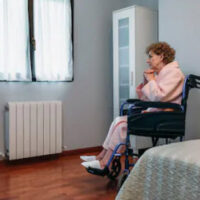
To prove neglect in a nursing home, a Carlsbad personal injury lawyer must prove negligence, or a lack of care, by a preponderance of the evidence, or more likely than not. Neglect is an unintentional tort. Neglect examples include falls, bedsores, and malnutrition. Abuse, on the other hand, is an intentional tort. Abuse examples include physical and verbal violence directed at residents.
Nursing home neglect and nursing home abuse are significantly different in terms of the law. But in terms of their effects on victims and their families, these two torts are nearly identical. Therefore, an identical amount of compensation is usually available in both abuse and neglect claims. This compensation usually includes money for economic losses, such as medical bills, and noneconomic losses, such as pain and suffering.
Official Reports
An official report may be one of the most effective bits of evidence in a nursing home neglect matter. This category includes formal and informal reports.
California law typically requires nursing homes to report neglect-related injuries, such as the ones mentioned above. Similar prior inspection reports make this evidence stronger. For example, if inspectors warned a nursing home about a fall hazard and Alice later falls, her Carlsbad personal injury lawyer may not have an open and shut case, but the case is very strong.
Informal reports include internal memos and correspondence that references the claimed injury. These informal reports often include a “smoking gun” memo or email.
This proof of nursing home neglect, like the other two categories discussed below, often isn’t immediately available. That’s especially true for informal reports. Usually, a legal team must do some digging before this evidence comes to light. So, if a case settles too early, the best evidence, and therefore maximum compensation, may be unavailable.
Medical Records
On a similar note, medical records often include formal and informal records. One main difference is that medical records are easier to obtain, especially for an attorney with considerable resources.
More than likely, the victim, or the victim’s insurance company, already possesses medical and doctor bills. Patient charts are a bit harder to obtain, mostly because of medical privacy laws. But an experienced lawyer knows how to cut through the red tape.
Informal records often include testimony from expert or lay witnesses. Dr. Steve often interprets medical bills, which are mostly in Medspeak, into English. Fellow resident Steve may not be able to testify about the neglect itself. But he can testify about the victim’s before and after medical condition.
Eyewitness Statements
Usually, an attorney uses a combination of human and non-human eyewitnesses to prove neglect in a nursing home.
Eyewitnesses often don’t see the accident itself. Instead, they often testify about the lack of care that led to the accident. Fellow resident Steve, the hypothetical witness mentioned above, might testify about a floor’s dangerous condition.
Cameras are the most common non-human eyewitnesses. This testimony is almost bulletproof in court. Unlike people, cameras are never incorrect or biased. However, unless an attorney builds the proper legal foundation, this vital evidence is inadmissible in court.
Rely on a Diligent San Diego County Lawyer
Injury victims are entitled to substantial compensation. For a confidential consultation with an experienced personal injury lawyer in Carlsbad, contact the Pursley Law Firm. Virtual, home, and hospital visits are available.


