


When a Rear-End Collision Isn’t as Simple as It Looks
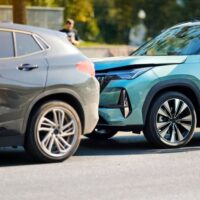
Most people assume rear-end crashes settle themselves. The driver in back hit the driver in front, so the case is a formality, right? Insurance adjusters count on that assumption, and so do a lot of accident victims who never call an attorney because they figure fault is obvious and a check is already on the way.
The truth is messier. Fault often is clear in these crashes, but liability and compensation are two different questions, and the second one is where cases get complicated.
The Presumption Cuts Both Ways
California law does lean toward finding the trailing driver at fault. Vehicle Code Section 21703 requires drivers to keep a distance that is reasonable and prudent given speed, traffic, and road conditions. Violate that standard and cause a crash, and negligence is usually easy to establish.
But “usually” is not “always.” Sudden lane changes, brake-checking, malfunctioning brake lights, and mechanical failure can all shift some or all of the blame back onto the lead vehicle. Insurance companies rarely volunteer these possibilities. They investigate them quietly, hoping the injured party never thinks to look.
Where These Cases Actually Get Contested
A rear-end claim can turn complicated for reasons that have nothing to do with who struck whom. Consider some of the recurring disputes:
- The lead driver stopped abruptly for no apparent reason, raising a comparative fault argument
- A third vehicle contributed to a chain-reaction crash, spreading liability across multiple insurers
- The rear driver claims a brake light was out or a turn signal was missing
- Property damage looks minor, so the insurer argues the injuries could not be as severe as claimed
- Pre-existing conditions get blamed for pain that only appeared after the crash
That last point deserves attention. Whiplash and soft tissue injuries are common in rear-end collisions, and they are also the injuries insurers challenge most aggressively, precisely because they do not show up dramatically on an x-ray.
Evidence Still Decides the Outcome
Rear-end crashes are the single most common type of collision on American roads. Federal researchers have found they account for roughly 29 percent of all crashes nationwide, a volume that gives insurance companies plenty of practice minimizing payouts. That experience is exactly why documentation matters so much. Photos of the scene, witness contact information, medical records tied directly to the collision date, and any available vehicle data can turn a contested claim into a straightforward one.
None of this means every rear-end case is a fight. Many resolve quickly and fairly. But treating a rear-end crash as automatically simple can cost victims real compensation, especially when injuries take weeks to fully surface or when the other driver’s insurer starts hunting for reasons to dispute the claim.
If you were hurt in a rear-end collision and something about the other driver’s story does not add up, do not assume the case will handle itself. Our Carlsbad car accident attorneys review the evidence before an insurance company gets the chance to shape the narrative. Give Pursley Law Firm a call to talk through what happened and what your claim may actually be worth.
Source:
leginfo.legislature.ca.gov/faces/codes_displaySection.xhtml?lawCode=VEH§ionNum=21703


